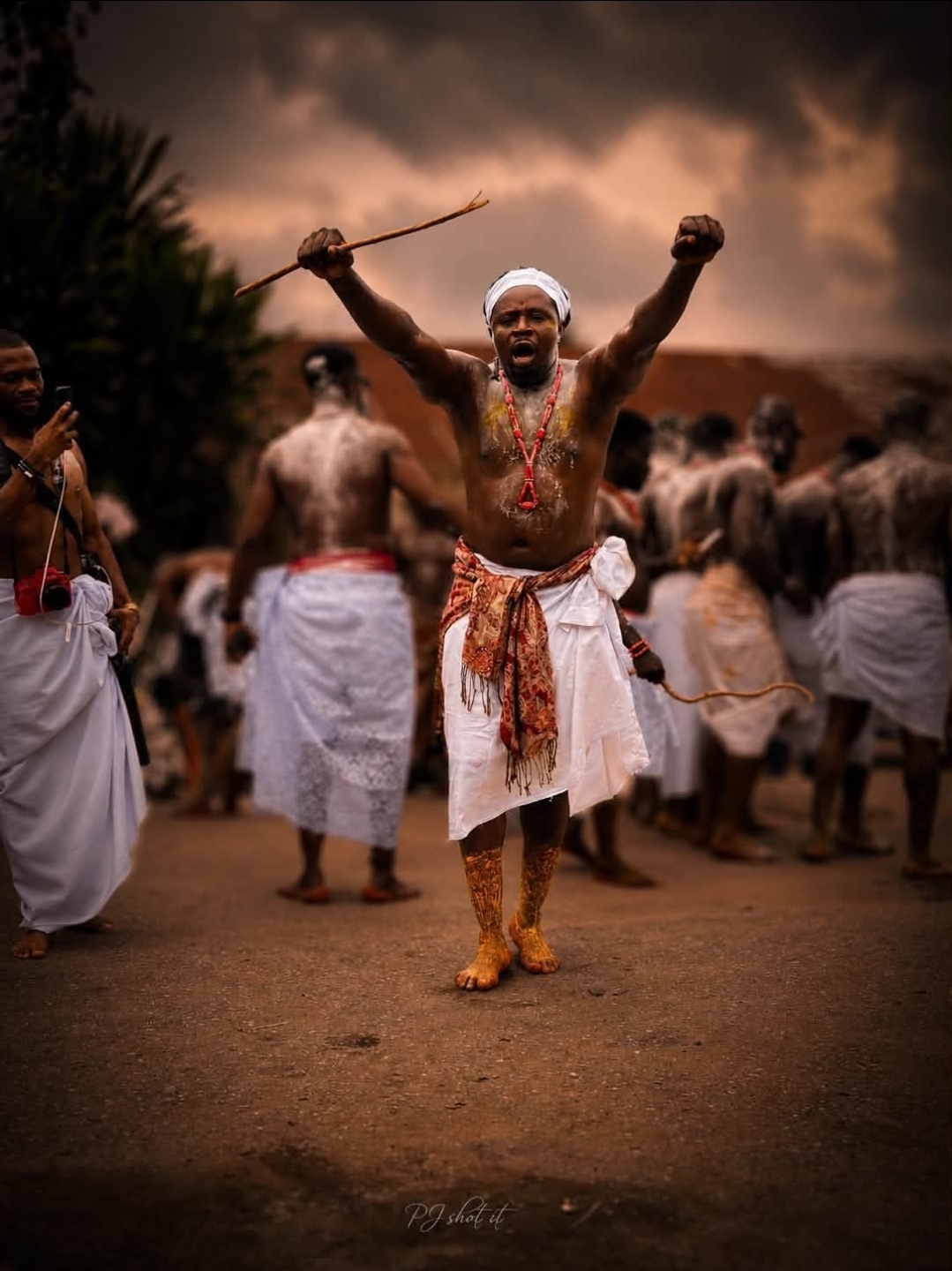
People: Ugep (Umor Otutu)
Location: Yakurr Local Government Area, Cross River State, Nigeria
Subject: Cultural Values and Traditional Worldview
Author: Mr. Abam Uket Ofem
The cultural values of the Ugep people, also known as Umor Otutu, are reflected in their traditional social organization, communal relationships, indigenous institutions, spiritual worldview, agricultural practices, and cultural festivals. These values have historically shaped the way individuals, families, clans, and the wider community relate to one another and to their environment.
Among the prominent values associated with Ugep society are communal unity, respect for traditional institutions, family and lineage solidarity, reverence for ancestral heritage, agricultural consciousness, gratitude, and the preservation of cultural traditions.
1. Community and Communal Unity
The Open-Compound System
One notable feature of traditional Ugep settlement is the open-compound system. Traditionally, residential compounds were generally not separated by permanent fences, allowing movement and interaction between neighbouring households.
The arrangement encouraged social interaction and strengthened relationships among members of the community. It also reflected the traditional understanding of the community as an interconnected social unit rather than a collection of isolated households.
Extended Family and Lineage
Traditional Ugep society places considerable importance on extended family and lineage relationships. Families and related lineages form important units of social organization, with communal responsibilities extending beyond the individual household.
The traditional wards of Ugep—Ijiman, Ketabebe, Ijom, Ikpakapit, and Biko-Biko—form part of the historical social and territorial organization of the community.
Family relationships, communal cooperation, mutual assistance, and respect for elders have traditionally played important roles in maintaining social cohesion.
2. Traditional Leadership and Spiritual Life
The Institution of the Obol Lopon
The Obol Lopon of Ugep occupies the central position within the traditional leadership structure of the Ugep Kingdom. The institution represents traditional authority and serves as an important custodian of the customs, traditions, land, and cultural heritage of the people.
The Obol Lopon is also associated with the traditional spiritual worldview of Ugep and the community's relationship with its indigenous religious institutions and sacred traditions.
Ancestral Beliefs and Indigenous Spirituality
Traditional Ugep spirituality includes reverence for ancestors and indigenous spiritual forces associated with the land and the wellbeing of the community.
Ancestors have traditionally been regarded as an important part of the relationship between the living and previous generations. Indigenous beliefs concerning spiritual protection, peace, fertility, prosperity, and communal wellbeing have historically formed part of the traditional worldview of the Ugep people.
These beliefs and practices constitute an important aspect of Ugep's intangible cultural heritage.
3. Agriculture, Gratitude, and Prosperity
Agriculture has historically occupied an important position in the social and economic life of Ugep. The cultivation and harvesting of food crops have therefore been closely connected with communal life and cultural expression.
The annual celebration of the New Yam harvest provides an important cultural framework through which the people express gratitude for the harvest, recognise agricultural labour, celebrate prosperity, and strengthen communal bonds.
4. Heritage and Cultural Festivals
The Leboku New Yam Festival
The Leboku New Yam Festival is one of the most important cultural festivals of the Ugep people. It is an annual celebration associated with the agricultural cycle, particularly the harvest of new yam.
Leboku brings together different segments of Ugep society and provides a platform for the expression of traditional music, dance, ceremonies, communal gatherings, indigenous institutions, and other aspects of Ugep cultural heritage.
The festival is also an important mechanism for cultural continuity, providing opportunities for younger generations to encounter and learn about traditions inherited from previous generations.
Leboku Kepili and Mblemi
Cultural activities associated with the Leboku season include Leboku Kepili and traditional processions such as Mblemi. These activities form part of the wider cultural expressions surrounding the New Yam Festival.
They embody themes of gratitude, communal participation, agricultural achievement, prosperity, cultural identity, and continuity of tradition.
5. Cultural Continuity and Identity
The cultural values of Ugep are not limited to individual ceremonies or institutions. They constitute an interconnected system of social relationships, traditional authority, spirituality, agricultural heritage, family structures, and communal practices.
Through institutions such as traditional leadership, family and lineage structures, indigenous beliefs, and festivals such as Leboku, cultural knowledge is transmitted from one generation to another.
The preservation and documentation of these values are therefore important to understanding the history, identity, and intangible cultural heritage of the Ugep people.
Written by:
Mr. Abam Uket Ofem