A Taste of Umor, Yakurr
Written by Wokeyim Okoi
Native name: kogbolo-nànà obah Awèwèn kpò.
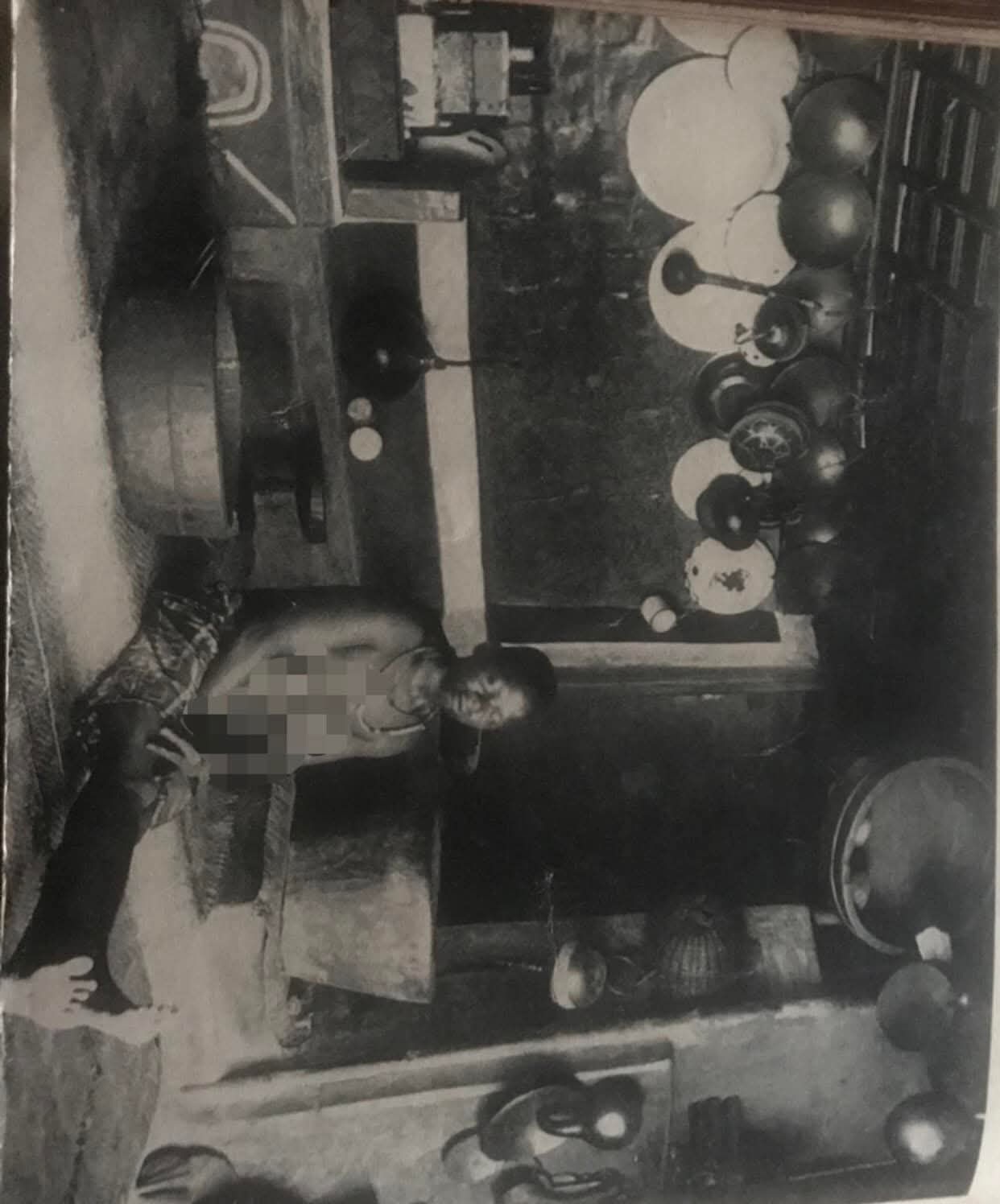
In Umor, food is more than something placed on the dining table. It is part of the knowledge of the home. It is learnt by watching, listening and doing. A child may sit beside a mother or grandmother in the kitchen and gradually learn which ingredient goes into the pot first, when the fire should be reduced, when the soup has cooked enough and, most importantly, when the food is ready.
This native draw soup with melon cakes is presented as part of that food knowledge.
The recipe combines a rich, drawy soup with melon cakes prepared from egusi, and fresh indigenous or locally available vegetables added at the very end. The method can differ from one Ugep household to another, because traditional recipes are often shaped by the cook, the season, what is available from the farm and the occasion for which the food is prepared.
For those from Ugep living outside home, this is one way of keeping the taste and knowledge of home within reach.
What You Will Need
For the Soup
- Fresh fish, smoked fish, meat, or a combination of these
- Palm oil
- Ground egusi or melon seeds (Èwewen)
- Fresh pepper (Ekepon)
- Onion (Eyim)
- Crayfish (Atàbase)
- Mushroom (Kupatu)
- Black fungus or wood ear mushroom (Ntunkpa)
- Salt (Yonun)
- Local seasoning, where desired
- Water or meat/fish stock
- A traditional draw-soup ingredient used in the household, such as ogbono (Keyàmmà)
For the Melon Cakes
- Egusi (Ewèwèn) — melon seeds
- Usu (Lèbuà)
- Fresh pepper (Ekàpòn)
- Onion (Eyim)
- A little water from the meat/fish stock
- Salt (Yonun)
The Traditional Cooking Process
1. Begin by preparing everything
Traditional cooking is easier when the ingredients are ready before the fire is lit.
Wash the meat and fish properly. If stockfish is being used, soak it until it softens and wash it thoroughly. Clean the crayfish, pepper and onions. Grind or blend them according to the texture preferred in your home.
2. Prepare the melon cakes
The melon cakes are made separately from the soup.
Take the cleaned melon seeds and grind them. Heat the Usu just on top of the cover of your soup pot to allow it to stay dry for scraping. Scrape it, mix it with the melon, and then proceed to pound the mixture in your mortar.
Add a little ground pepper and onion. Season with salt and add only a small quantity of warm water or your meat/fish stock.
Mix thoroughly and pound until the mixture is ready. It should be firm enough to hold together and should not be watery.
Take small portions of the mixture and shape them into small cakes or balls. Steam the cakes until they become firm and properly cooked.
Once they are ready, remove them from the heat and keep them aside. Do not break them up. The idea is for the melon cakes to remain whole when they are later introduced into the soup.
Alternatively, they may be added earlier to the boiling soup after you have measured your preferred quantity of water for the soup.
3. Prepare the meat or fish stock
Put the meat into a clean pot and season it lightly. Add a little water and allow it to cook.
If fresh fish is being used, it can be cooked carefully so that it does not fall apart. The stock produced from the meat or fish is important because it becomes part of the flavour of the soup.
If smoked fish is being used, introduce it at the appropriate stage so that it retains its texture. Add the mushrooms earlier as well, allowing them enough time to cook properly.
Allow the protein to cook until it is tender and the stock is well flavoured.
4. Introduce the melon cakes
When the soup is already well cooked, carefully place the melon cakes into the pot. Do not crush them.
Allow them to sit in the soup and absorb some of its flavour. Instead of stirring vigorously, gently shake the pot from side to side.
Leave the soup on low heat for a few minutes. The melon cakes should remain visible and whole while becoming rich with the flavour of the soup.
Alternatively, you may add the melon cakes earlier, once the meat or fish stock is properly cooked, depending on the method traditionally used in your household.
A Taste of Home
From the hands that prepare it to the knowledge passed down through generations, this dish carries more than flavour. It carries a piece of Umor's food heritage — preserved in the ingredients, the process, and the memories created around the family table.