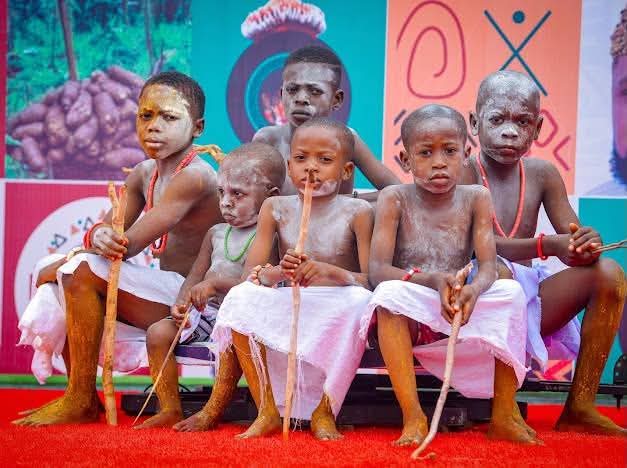
As the naming tradition in Umor (Ugep) continues to evolve, the names given to children today often tell us something about the people who give them.
In recent generations, particularly from the 2000s, parents have become increasingly intentional about the names they give their children. A name is often chosen because of what it means and what the parents want it to represent.
Some names are prayers. Some are expressions of gratitude. Some are statements about an experience the family has gone through. Others express hope, victory, peace, strength, remembrance or faith.
This is one of the interesting things about modern Lokaa names. Many of them are not simply words used to identify a person. They can be complete thoughts or statements carrying a message from the parents to the child and, sometimes, to everyone who hears the name.
For instance, a name may express gratitude to God for bringing the family through a difficult situation. Another may be a reminder not to forget a person or an experience. Some names express confidence, while others reflect the circumstances surrounding the birth of a child.
Names such as Obase Osuwake (God has won), Obasesam (Thank God), and Akaamke (You've helped me) reflect gratitude and acknowledgement of God's intervention. Others, such as Kapona (Don't worry), communicate reassurance, while Kenyo (I won't forget) and Kekayo (Don't forget) carry the idea of remembrance.
There are also names that describe things found in the natural environment or everyday life, such as Loghangha (River), Kiwel (Stream), Ewii (Sun) and Ekapong (Pepper).
This shows how naming continues to evolve while remaining connected to the experiences, environment, beliefs and worldview of the people.
It is also important to understand that the meanings documented here are the meanings currently provided to us. As part of the Discover Ugep project, we will continue to research these names, verify their spellings and meanings, and speak with elders, native Lokaa speakers, families and other knowledgeable people.
This list is therefore not a final dictionary of modern Umor names. It is a growing record of names that have been used by families in recent generations and the meanings attached to them.
By documenting them today, we hope that future generations will be able to look back and understand not only what their names meant, but also something about the period, experiences and beliefs that shaped the people who gave them those names.
Modern Male Umor (Ugep) Names
No. Name Meaning
1| Obase Osuwak| God has won
2| Jesam Thank Him (God)
3| Toyokoke Let us see
4| Kammonke Help us
5| Ayei. Luck
6| Ayaen. You have
7| Wofai Peace
8| Kapona. Don't worry
9| Abaloke. Do remember
10| Balimwe Think about me
11| Obono Diviner / Seer
12| Kepam Waste ground
13| Obaseotakefa God is most . Powerful
14| Nwoyi God knows
15| Waakoni What you sow
16| Kokala Wonder
17| Leko War
18| Loghangha. River
19| Kiwel Stream
20| Ewii Sun
21| Osu Wealthy person
22| Etom Life
23| Otoba Cutlass
24| Yibala Thought
25| Efayemiode Not my power
26| Kenyo I won't forget
27| Kekayo Don't forget
28| Obasesam Thank God
29| Obase Oweke God's finished
30| Asuwake You have won
31| Nnemma People's mouths
32| Toyojesam Let's thank Him
(God)
33| Akaamke You've helped
me (God)
34| Woden Big person
35| Awuokaama It's because of
You.
36| Ekapong Pepper
37| Efayobase Power of God
38| Kebesobase God's time
39| Etemfa Strong heart
40| Obase Osuwake God has won