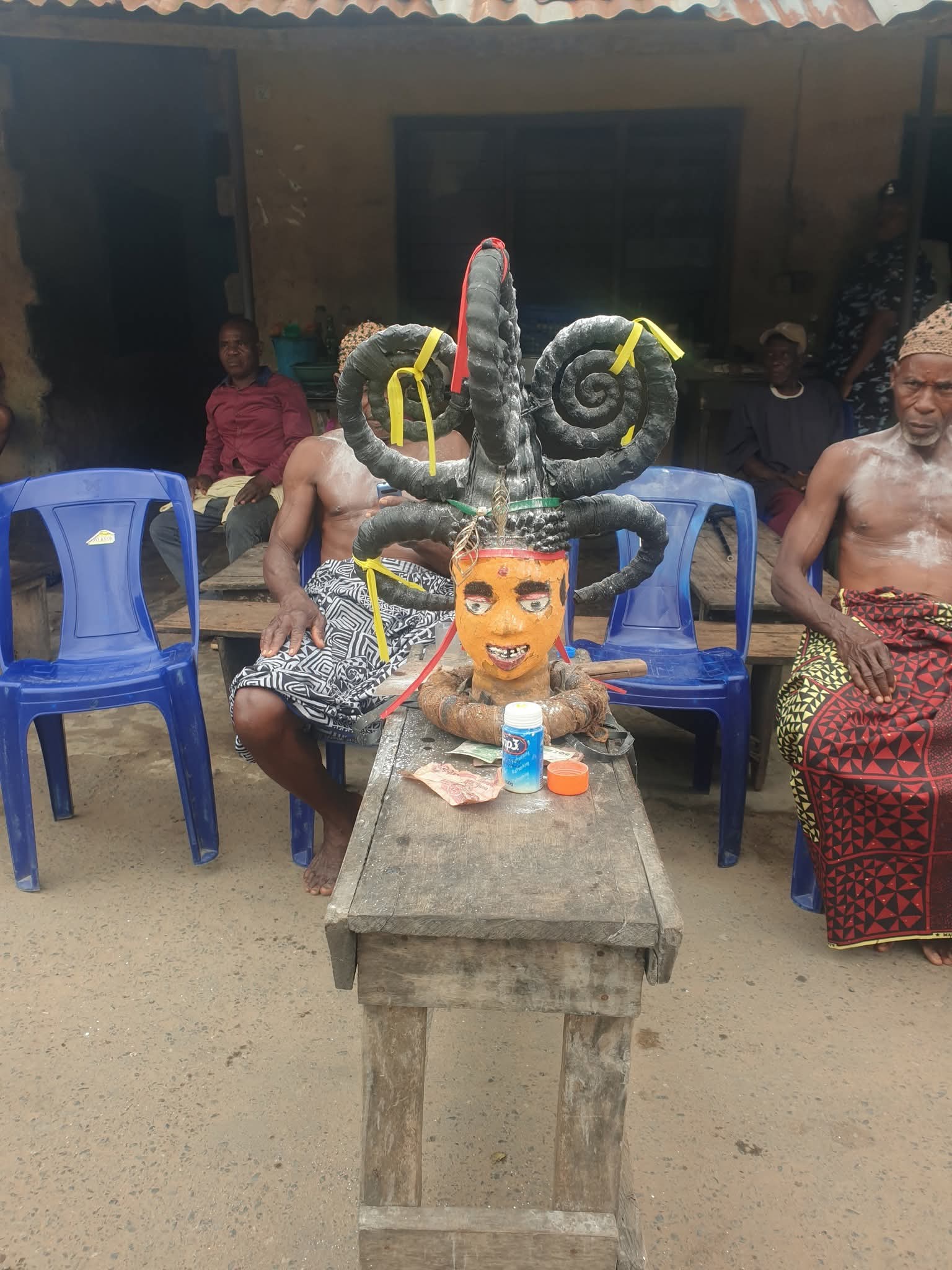
TRADITIONAL RELIGIOUS INSTITUTIONS OF UGEP KINGDOM
"TRADITIONAL RELIGIOUS INSTITUTIONS OF UGEP KINGDOM By Ibiang Willie Justice Definition of the Topic The traditional religious institutions of Ugep refer to the traditional institutions and practices concerned with divination, purification and cleansing of the land, consultation of the oracle, ancestral spirit worship, fertility-spirit worship, the worship of deities and carved sacred objects, and other spiritual practices."
Description
The traditional socio-cultural institutions of Ugep Kingdom encompass the various customs, practices, beliefs, values, and institutions through which the people of Ugep preserve, promote, and transmit their traditional way of life from one generation to another.
These socio-cultural expressions are reflected in various aspects of Ugep life, including beliefs and worldview, language, modes of dressing, drumming, singing and dancing, marriage practices, chieftaincy and coronation ceremonies, historical traditions, adulthood initiation, food habits, farming methods, systems of inheritance, burial practices, the New Yam Festival, and other traditional celebrations.
The richness of Ugep's socio-cultural heritage is particularly evident during major traditional occasions such as the Leboku New Yam Festival, marriage ceremonies, chieftaincy coronations, and burial ceremonies. These occasions provide opportunities for the people to come together, celebrate their identity, honour their traditions, and pass cultural knowledge to younger generations.
One of the most remarkable expressions of Ugep's socio-cultural heritage is the performance of traditional dances. These dances are not merely forms of entertainment; they often carry historical, social, spiritual, and symbolic meanings. They can represent bravery, womanhood, manhood, communal identity, celebration, initiation, and other important aspects of Ugep society.
Major Socio-Cultural Institutions and Expressions
The Leboku New Yam Festival
The Leboku New Yam Festival is one of the most significant cultural celebrations of Ugep. It is held annually, traditionally around the month of August, and serves as a celebration of harvest, thanksgiving, community, and the rich cultural heritage of the people of Ugep.
The Obam War Dance
The Obam War Dance is associated with the warrior heritage of Ugep. It serves as an expression of the courage, strength, bravery, integrity, and fighting spirit historically associated with the people of Ugep.
Traditional and Cultural Dances of Ugep
The following are among the traditional and cultural dances associated with Ugep:
Ukwa War Dance
Ebilembi
Kojeh
Nneibong (formerly known as Ejom or Nnabor)
Nkemi
Okpor
Ebun Cultural Dance
Nyamgbe
Nsebo
Kute
Offiong
Mbolo
Kokamanma
Mmambor
Ekeledi — performed by women
Obin — performed by women
Udigere — performed by men
Okombor — performed by women
Egbendum — performed by young boys and girls
Okah — performed by women
Kepu — associated with traditional wrestlers
Onene — performed by women
These dances form an important part of the cultural heritage of Ugep. Each carries its own history, meaning, performance style, and social context. Together, they provide a window into the values, experiences, creativity, and identity of the Ugep people.
Preserving these traditions is therefore not simply about remembering the past. It is about ensuring that the knowledge, values, stories, languages, dances, and practices that define Ugep continue to live on and remain accessible to future generations.