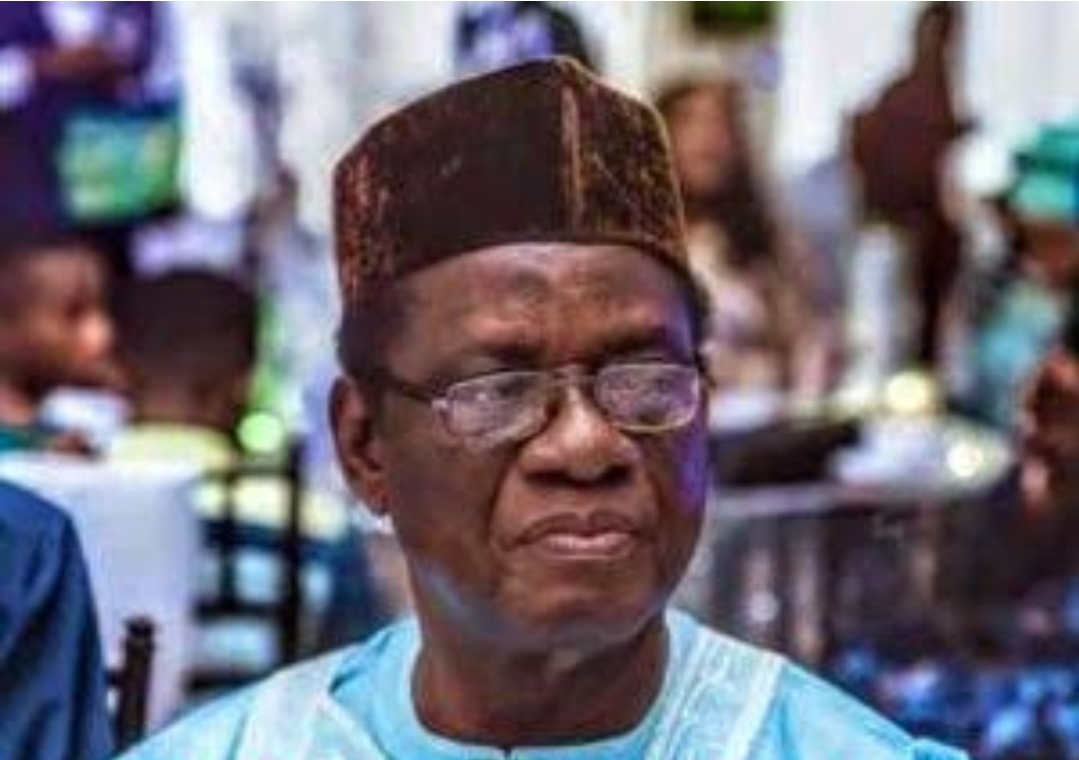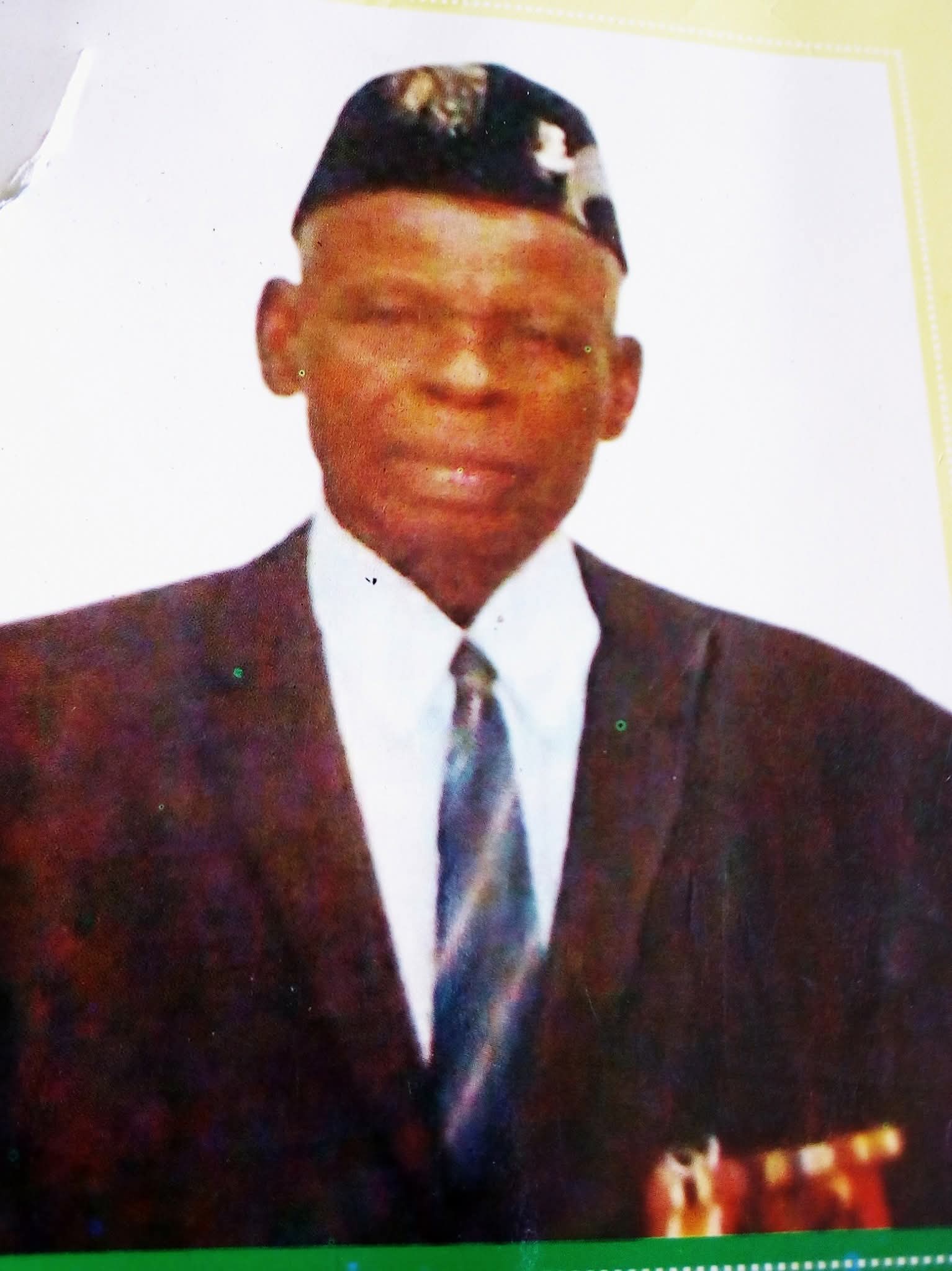
BASSEY NGANG UGBANG UBI-KEKALA
Soldier/Business man/Politician
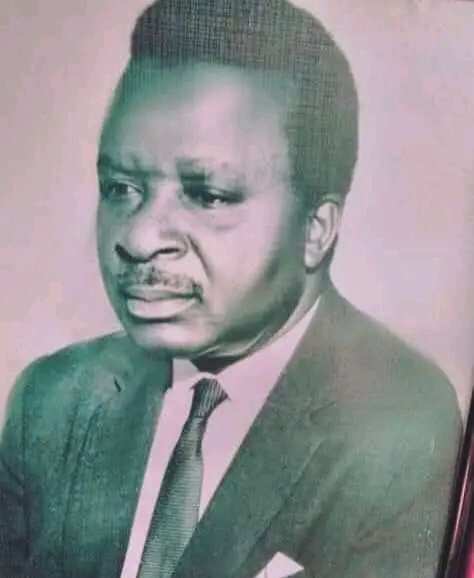
OBOL BASSEY NGANG UGBANG UBI-KEKALA 26 November 1917 – 4 August 2011 Obol Bassey Ngang Ugbang Ubi-Kekala (1917–2011) was a traditional ruler, soldier, businessman, politician, industrialist, community leader, wrestler, and devoted Christian whose life was marked by service to his people and country.
Biography
OBOL BASSEY NGANG UGBANG UBI-KEKALA
26 November 1917 – 4 August 2011
Obol Bassey Ngang Ugbang Ubi-Kekala (1917–2011) was a traditional ruler, soldier, businessman, politician, industrialist, community leader, wrestler, and devoted Christian whose life was marked by service to his people and country.
He was born on 26 November 1917 into the royal family of Obol Ngang Ugbang Ubi-Kekala and Mma Itam-Ojeje Inah Arikpo of Lebulibulikom, all of Ijiman Ward extraction in Ugep Urban, in present-day Cross River State, Nigeria.
Early Life and Education
Obol Bassey Ngang began his education in 1927 at the then-famous Church of Scotland Mission (CSM). He completed his education there in 1933.
In 1935, he ventured into business and began trading alongside prominent businessmen from Ugep Urban. Among those he traded with were Chief Abam Ubi, the Clan Head of Egbizium; Obol Okri Eteng Omini (Ete Agwala), his cousin; and Late Chief Eyong Arikpo (Ogele).
Together, these men explored the hinterlands of the South-Eastern Region of Nigeria in search of goods and commodities with which they made a living.
Military Service
At the age of 25, Obol Bassey Ngang felt the need to defend his fatherland and enlisted in the West African Frontier Force (WAFF), now part of the Nigerian Army, in Enugu.
He served during the Second World War, from 1942 to 1945, a war that brought profound changes to the history of the world.
As part of his military career, he was among the special squad sent overseas for military training in India, Egypt, and Burma.
Prior to his overseas training, in 1944, Obol Bassey Ngang reportedly demonstrated exceptional courage during an incident in Kano, near Sabon Gari Market. According to the account, he single-handedly confronted and overpowered a group of seven militant youths who had attempted to attack their military camp at night.
Using military tactics and martial-arts techniques, he successfully defeated the group. Following the incident, he acquired the nickname “Seven Men Trouble.” Whenever he was addressed by the nickname, he was fond of responding humorously, “One man carry-am.”
Political Activities
Obol Bassey Ngang was also actively involved in the political affairs of his time. He was a member of the defunct National Council of Nigeria and the Cameroons (NCNC) and served as a resource person in the mobilisation of youths in support of the Zikist Movement in 1952.
He became the leader of a group of NCNC progressives in the Yakurr Kingdom known as the Vanguards. The group reportedly served as a rapid-response force associated with the then-ruling political party in the Eastern Region of Nigeria.
Career at the Pioneer Oil Mill
Through his political party and the influence of his political mentor, Chief Ubi Ofem, Obol Bassey Ngang was recommended to undergo specialised training in steam engines and boiler operations at Enugu.
The training was connected to the establishment of the Pioneer Oil Mill in Ugep.
He successfully completed the one-year training programme and, in 1954, was employed as a specialist in boiler operations and maintenance under the Eastern Nigeria Development Corporation (ENDC), Enugu.
He was subsequently posted to the Pioneer Oil Mill in Ugep, where he rose through the ranks from Foreman to Operations Manager.
During his years of service, he trained and empowered numerous young people in boiler operations and related technical skills.
After 20 years of meritorious service, Obol Bassey Ngang retired in 1974, at the age of 56.
Traditional and Community Leadership
Beyond his military, political, and professional career, Obol Bassey Ngang was deeply involved in community service.
He was a member of the Nigerian Legion and the Ex-Service Men Association of Nigeria, Yakurr Chapter.
He served as the Village Head of Ofiwen Village of Utom, in Ijiman Okurubong Community of Ugep Urban. He was also a member of the Ijiman Council of Chiefs and the Ugep Development Council.
He was installed as Obol Ofiwen I of Ugep, a position through which he continued to contribute to the affairs and development of his community.
Wrestling
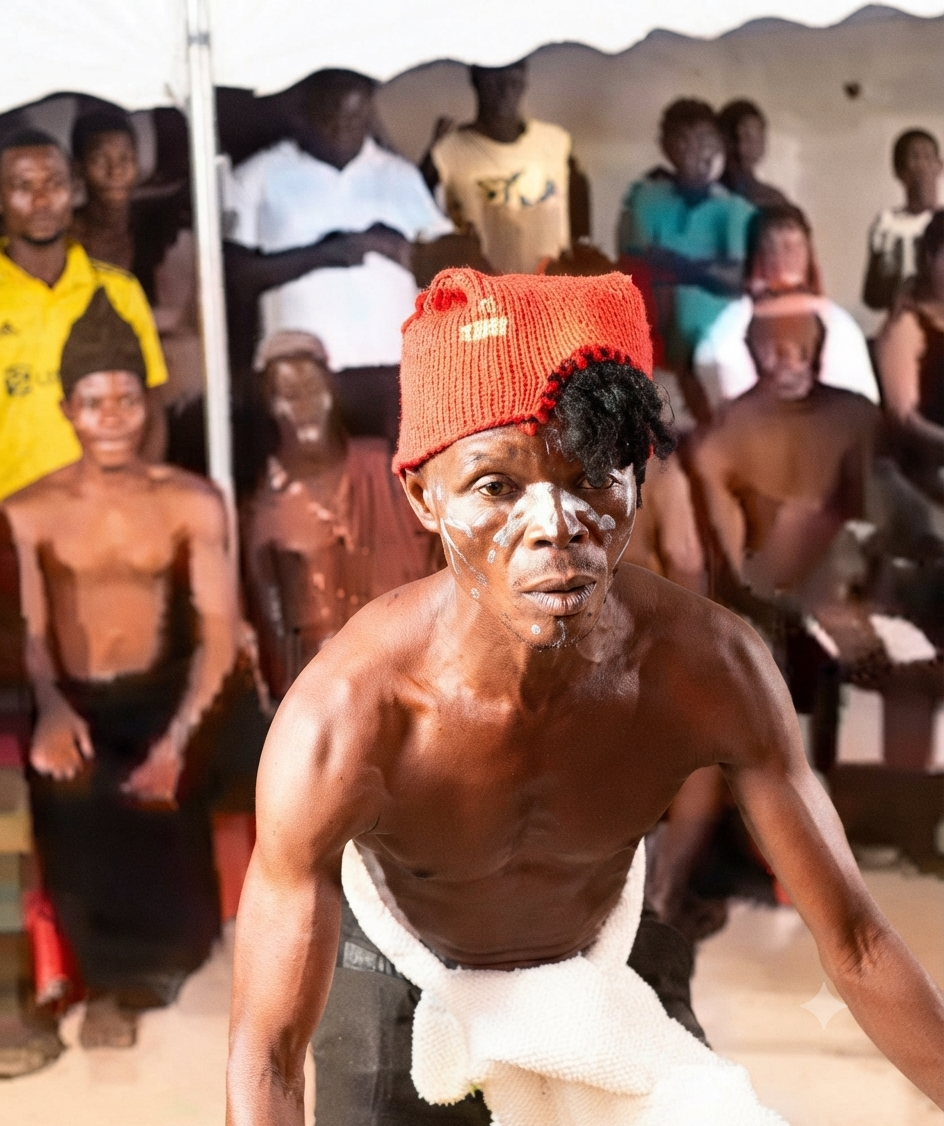
Obol Bassey Ngang was also a traditional wrestler who represented his community in wrestling competitions.
He was renowned as a champion in the sport, and according to accounts from those who knew him, his back never touched the ground during his wrestling career.
Faith and Final Years
Despite the many accomplishments recorded throughout his life—as a soldier, businessman, politician, industrial worker, community leader, traditional ruler, and wrestler—Obol Bassey Ngang eventually became a devoted Christian.
In his later years, he reflected on the life he had lived and the legacy he was leaving behind.
Among the final pieces of advice he gave to his children was a call for unity, forgiveness, and respect for the traditions and heritage handed down to them.
He advised his children:
«“Remember to forgive one another, including your enemies. Note that old age is desirable and death is not an enemy to an old man. My children, I have fulfilled what God sent me to do on Earth. I have raised you all into prominent and dependable citizens. You should never move or change any ancient landmark anywhere. I have no regrets.”»
After these words, Obol Bassey Ngang Ugbang Ubi-Kekala passed on.
Death
Obol Bassey Ngang Ugbang Ubi-Kekala died on 4 August 2011, at the age of 93.
He had lived through some of the most significant periods in Nigeria's history—from the colonial era and the Second World War to independence and the decades that followed.
His life was one of service, leadership, courage, enterprise, and devotion to his people.
May the soul of our hero, Obol Bassey Ngang Ugbang Ubi-Kekala, rest in perfect peace. Amen.
Written by:
Engr. Omini Bassey Ngang
Their Legacy
His Legacy Obol Bassey Ngang Ugbang Ubi-Kekala left behind a legacy of courage, service, leadership, and resilience. From the battlefields of the Second World War to the Pioneer Oil Mill, from traditional wrestling to community and traditional leadership, he devoted his life to serving his people and building a meaningful legacy for those who came after him. His life remains a testament to the strength of character, discipline, enterprise, and commitment to community that defined his generation. Above all, he left his children and community with a lasting message: to forgive, preserve ancient landmarks, embrace old age with dignity, and live without regret. His memory lives on as that of a soldier, leader, entrepreneur, champion, traditionalist, father, and servant of his people.