OKOI ARIKPO
Politician,Diplomat, Anthropologist, Chemist
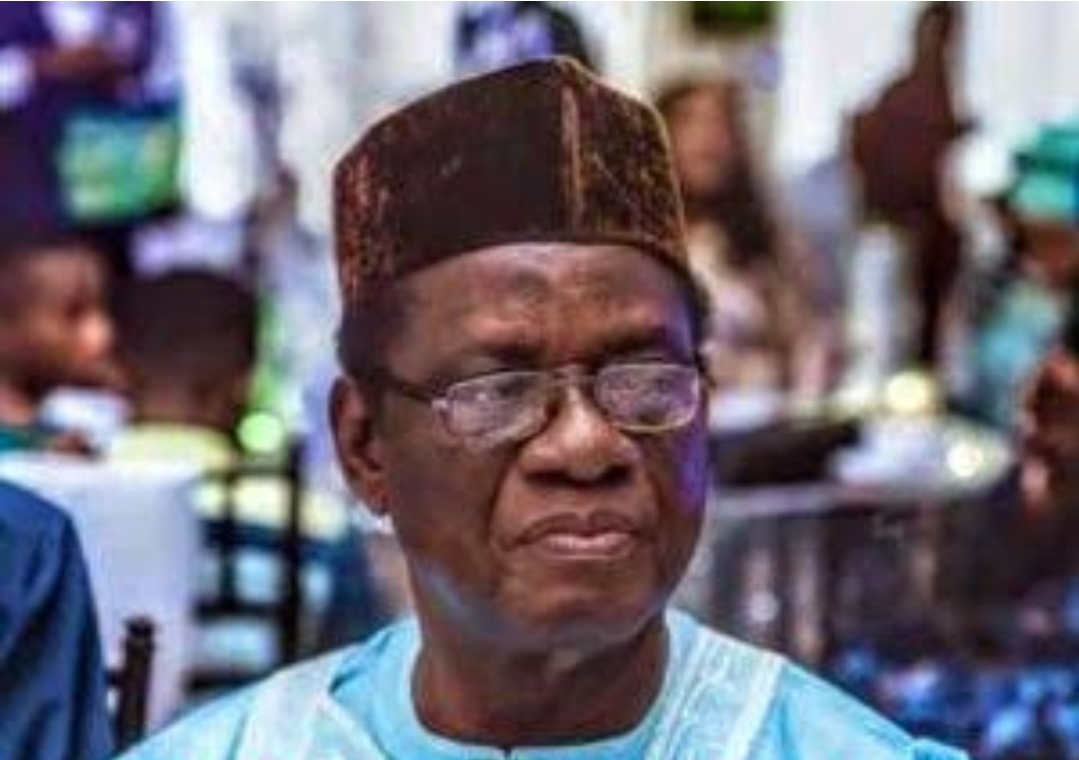
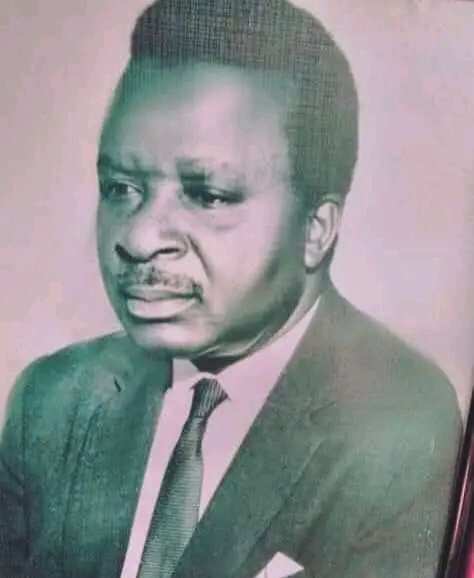
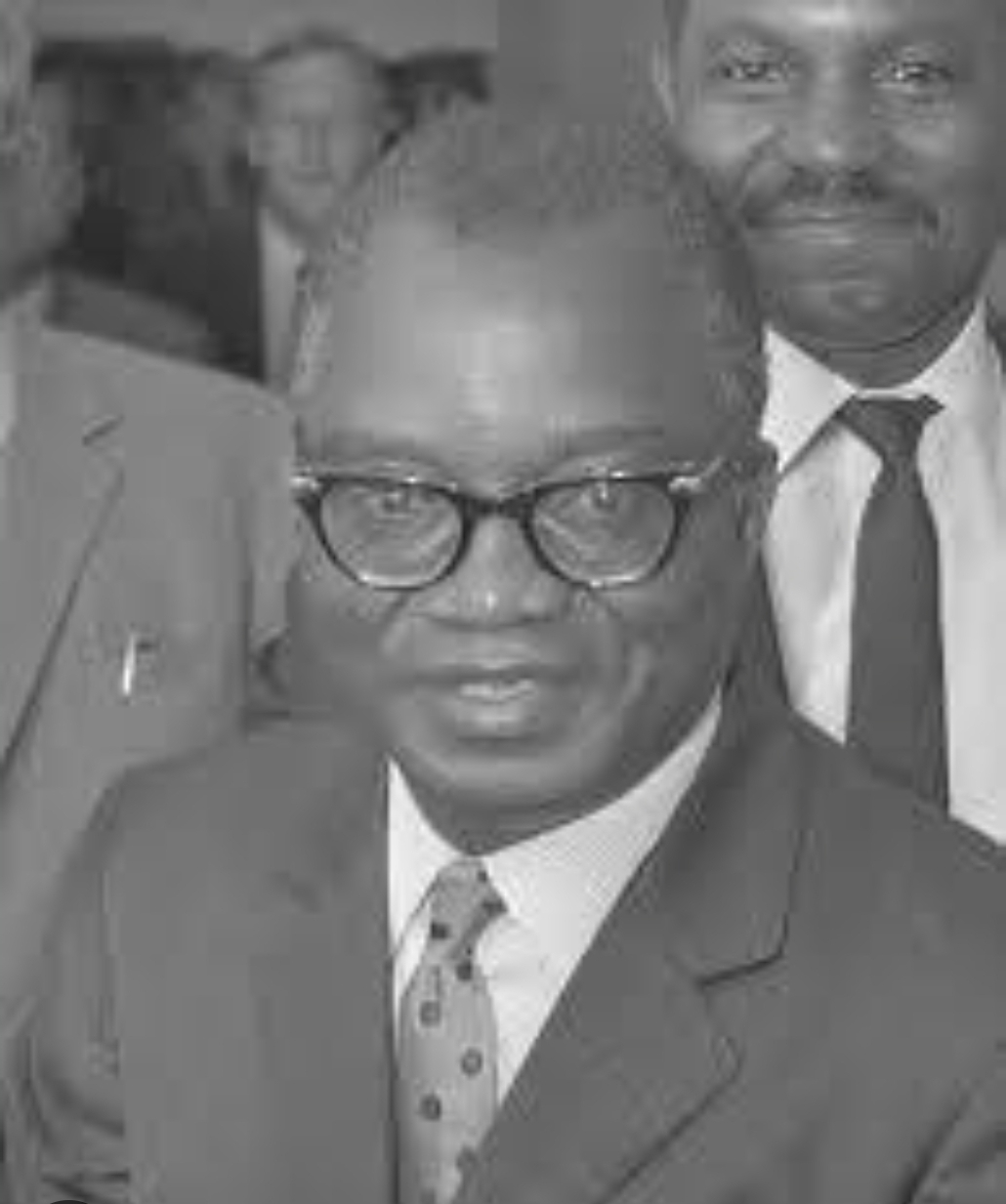
Okoi Arikpo (1916–1995) Okoi Arikpo was a distinguished Nigerian chemist, anthropologist, lawyer, politician and diplomat, and one of the most accomplished people to emerge from Ugep.
Biography
Okoi Arikpo (1916–1995)
Okoi Arikpo was a distinguished Nigerian chemist, anthropologist, lawyer, politician and diplomat, and one of the most accomplished people to emerge from Ugep. Born in Ugep on 20 September 1916, he received his early education at Hope Waddell Training Institution and Government College, Umuahia, before attending Yaba Higher College, Lagos. He later studied at the University of London, where he earned a First Class degree in Chemistry, an M.Sc. in Anthropology and a PhD. He was also called to the English Bar in 1956.
Arikpo was deeply involved in Nigeria's struggle for independence and the advancement of minority rights. As President of the West African Students' Union in Britain in the 1940s, he participated in efforts to draw British attention to the political challenges facing African colonies. He later became a leading advocate for the rights and autonomy of minority communities in Eastern Nigeria and was instrumental in the campaign for the creation of a Calabar–Ogoja–Rivers State. He also contributed to the presentation of minority concerns before the Willink Commission.
His political career was remarkable. He served as Nigeria's first Minister of Lands and Survey under the Macpherson Constitution and later became a cabinet minister in the government of Sir Abubakar Tafawa Balewa. He was also the first Executive Secretary of the National Universities Commission.
In 1967, Arikpo became Nigeria's Commissioner for External Affairs and later served as Foreign Minister from 1967 to 1975, making him one of Nigeria's longest-serving foreign ministers. During the Nigerian Civil War, he played a significant diplomatic role in defending Nigeria's position internationally and working to prevent wider international recognition of Biafra. His leadership helped Nigeria maintain important relationships with both Western and Eastern European countries during the conflict.
Arikpo was also a prolific writer. His notable works include The Development of Modern Nigeria (1967) and Who Are the Nigerians? (1958).
A scholar, nationalist, minority-rights advocate and distinguished diplomat, Okoi Arikpo remains one of Ugep's most significant historical figures and a remarkable contributor to Nigeria's political and intellectual development.
Sources:
Arikpo, Okoi. The Development of Modern Nigeria. Penguin Books, 1967.
Arikpo, Okoi. Who Are the Nigerians? Lugard Lectures, Federal Ministry of Information, 1958.
Their Legacy
Legacy of Okoi Arikpo Okoi Arikpo remains one of Ugep’s most distinguished sons and a pioneering figure in the community’s modern development. Through his education, public service, political influence and diplomatic career, he helped raise the profile of Ugep and opened pathways for greater opportunities and recognition. His life became an inspiration to generations of Ugep people, demonstrating that a son of Ugep could rise to national and international prominence. His legacy lives on in the people he inspired, the opportunities he helped create, and the lasting mark he left on Ugep and Nigeria.