AGRICULTURE
People: Ugep (Umor) and the Yakurr
Region: Yakurr Local Government Area, Cross River State, Nigeria
Subject: Agriculture, Yam Cultivation, Traditional Measurement, and Agricultural Development
Author: Knight Alex Ofem
1. Introduction
Agriculture has historically been a major foundation of the economy and social life of Ugep and the wider Yakurr people. The land provides food and economic resources and also holds important cultural significance. Agricultural production is closely associated with family, inheritance, communal life, wealth, and cultural identity.
For generations, farming has remained an important occupation among the people of Ugep and continues to contribute significantly to household livelihoods and the wider economy.
2. Mixed Farming
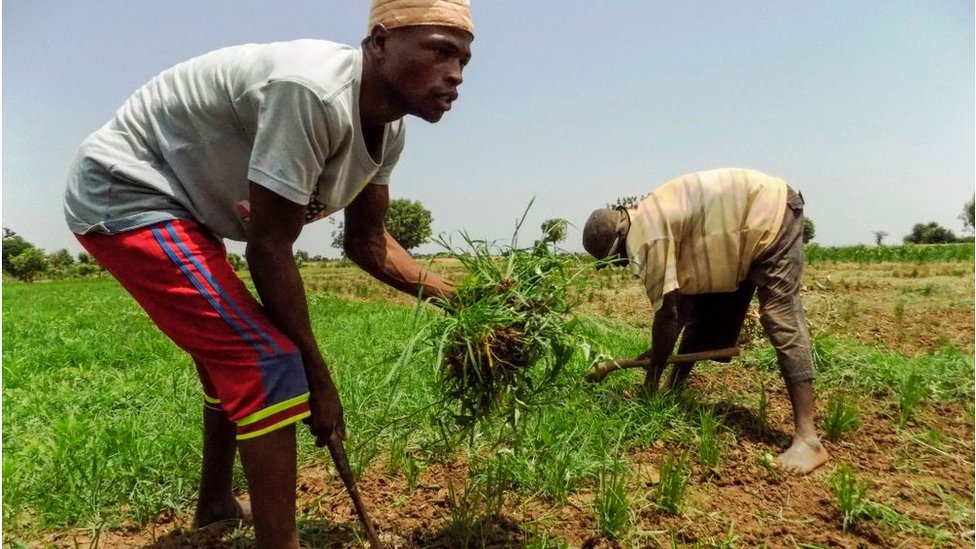
The people of Ugep practise mixed farming, cultivating a variety of food and economic crops.
Among these crops, yam occupies a particularly prominent position. Other crops cultivated within the traditional agricultural system include cocoyam, water yam, maize, pepper, okra, and other crops suited to the local environment.
Farming activities traditionally involve land preparation, planting, weeding, harvesting, processing, and storage. These activities are often supported by family labour and communal systems of cooperation.
3. The Cultural Significance of Yam
Yam occupies a distinctive position in Yakurr agricultural and cultural life. Traditionally described as the “king of crops,” yam is associated with agricultural achievement, prosperity, honour, and social recognition.
The cultivation of yam has historically served not only an economic purpose but also a cultural one. A farmer's ability to cultivate and harvest substantial quantities of yam could be regarded as an indication of hard work, agricultural skill, and economic standing.
The cultural importance of yam is prominently expressed during the annual Leboku New Yam Festival, which celebrates the harvest and provides an important occasion for the community to express gratitude, renew social relationships, and showcase its agricultural heritage.
4. The Farm Household
Traditionally, the household has served as an important unit of agricultural production. Many families depend on farming for food, income, and other household needs.
Agricultural activities may involve several members of an extended family, with responsibilities distributed according to customary practices, age, ability, and household organization.
The close relationship between the household and the farm has contributed to the transmission of agricultural knowledge and practices from one generation to another.
5. Traditional Measurement of Yam Production
The quantity of yam cultivated has traditionally been used as one measure of agricultural achievement and prosperity.
Among the traditional measurements associated with yam production in Ugep and the wider Yakurr community are:
- Aten — 100 sticks of yam
- Ago — 200 sticks of yam
- Ledu — 400 sticks of yam
These traditional units provided a means of estimating and communicating the quantity of yam produced by a farmer.
Beyond their practical function, the measurements also carried social significance because agricultural productivity was traditionally associated with hard work, prosperity, and the ability to provide for one's household.
6. Agricultural Knowledge and Cultural Transmission
Agricultural knowledge has traditionally been transmitted through observation, participation, instruction, and practical experience.
Younger members of the community learned farming techniques from older generations, including methods of land preparation, crop selection, planting, weeding, harvesting, storage, and the management of agricultural resources.
This transmission of knowledge contributed to the continuity of farming as both an economic activity and a cultural practice.
7. Modernization of Agriculture
Agriculture in Yakurr has undergone significant changes over time.
While many traditional farming practices remain in use, farmers increasingly employ modern agricultural inputs and techniques. These include herbicides, improved planting materials and seedlings, fertilizers, mechanized equipment, and other agricultural technologies intended to improve productivity and crop yields.
The adoption of modern agricultural methods reflects the changing economic and technological environment in which Yakurr farmers operate.
8. Agriculture and Contemporary Ugep
Despite changes in farming methods and the growth of other economic activities, agriculture remains an important part of life in Ugep.
Its significance extends beyond food production. Farming continues to contribute to household income, local trade, employment, cultural identity, and the preservation of traditional knowledge.
The enduring importance of agriculture demonstrates the continuing relationship between the people of Ugep and their land and explains why farming remains an important element of Yakurr cultural heritage.
9. Historical Significance
Agriculture provides an important lens through which the history and culture of Ugep can be understood. The cultivation of yam, traditional systems of agricultural measurement, family-based production, communal labour, and the celebration of harvests illustrate the close relationship between economic activity and cultural identity.
The continued documentation of these practices—including indigenous agricultural terminology and traditional units of measurement—is important for preserving the agricultural heritage of Ugep and the wider Yakurr people.