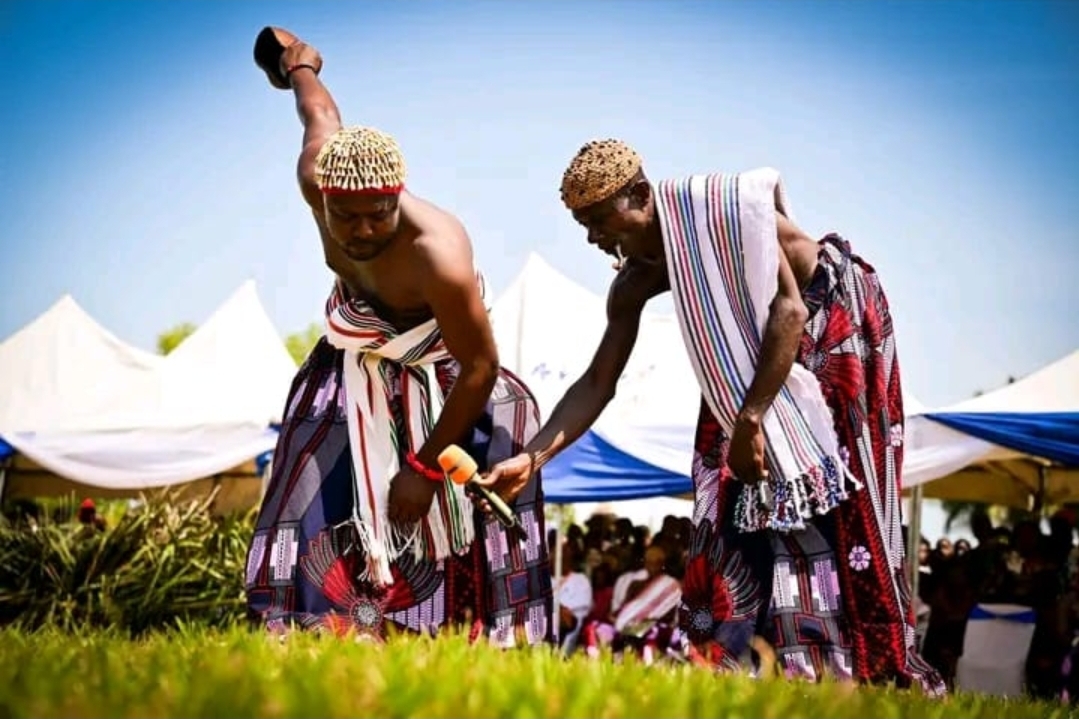
LANGUAGE
People: Ugep (Umor Otutu) and the Yakurr
Language: Lokaa
Language Group: Upper Cross River languages
Region: Cross River State, Nigeria
Subject: Language and Linguistic Heritage
Author: Knight Alex Ofem
1. Introduction
Language is a fundamental means of human communication and an important component of cultural identity. Through language, communities transmit knowledge, history, values, traditions, beliefs, oral literature, and collective memories from one generation to another.
For the people of Ugep and the wider Yakurr communities, language is an important element of their cultural heritage and identity.
2. The Lokaa Language
The indigenous language spoken by the people of Ugep and other Yakurr communities is Lokaa. The language serves as an important medium of everyday communication and cultural transmission among the people.
Lokaa is generally classified among the languages of the Upper Cross River linguistic area, a region encompassing several related language communities in southeastern Nigeria and extending toward the Nigeria–Cameroon border region.
The language is particularly significant to the cultural heritage of the Yakurr because many aspects of traditional knowledge—including oral histories, personal and place names, proverbs, songs, customary expressions, and traditional narratives—are preserved through it.
3. Language and Cultural Identity
Among the Yakurr people, Lokaa functions not only as a means of communication but also as a repository of cultural knowledge.
Traditional expressions and oral narratives provide important sources for understanding the history, social organization, worldview, and cultural practices of the people. Place names and indigenous names may likewise preserve memories of historical events, ancestral settlements, geographical features, and traditional institutions.
The continued use and documentation of Lokaa are therefore important to the preservation of Yakurr intangible cultural heritage.
4. Linguistic Classification
The precise historical classification and relationships of Lokaa have been subjects of linguistic research and scholarly discussion.
The Bantu languages constitute a major group of related African languages spoken across a broad geographical area of the continent, particularly in central, eastern, and southern Africa. The classification of languages in the Cross River region in relation to broader African language families has also been examined by linguists through comparative studies.
Some scholarly discussions have proposed relationships between languages of the Cross River region and wider Bantu or Bantoid/Semi-Bantu groupings. However, linguistic classification is based on comparative evidence, and the precise position and historical development of individual languages remain subjects of ongoing research.
Consequently, proposed relationships between Lokaa and wider language groups should be understood as part of the continuing scholarly study of the linguistic history of the region rather than as a universally settled conclusion.
5. Linguistic Evidence and Historical Research
The absence of extensive early written records for Lokaa presents challenges to reconstructing the complete historical development of the language.
Comparative linguistics is therefore an important method for investigating its history. By comparing vocabulary, grammatical structures, sound patterns, and other linguistic features with those of related languages, researchers can investigate possible historical relationships and patterns of language development.
Oral traditions, indigenous terminology, place names, genealogies, and historical accounts also provide valuable cultural evidence when studied alongside linguistic research.
6. Preservation of Lokaa
The preservation of Lokaa is an important part of safeguarding the cultural heritage of Ugep and the wider Yakurr people.
Documenting the language through dictionaries, recordings, oral histories, traditional stories, songs, proverbs, vocabulary lists, translations, and educational materials can help preserve linguistic knowledge for future generations.
The documentation of Lokaa also contributes to the broader study of the linguistic and cultural diversity of the Cross River region.