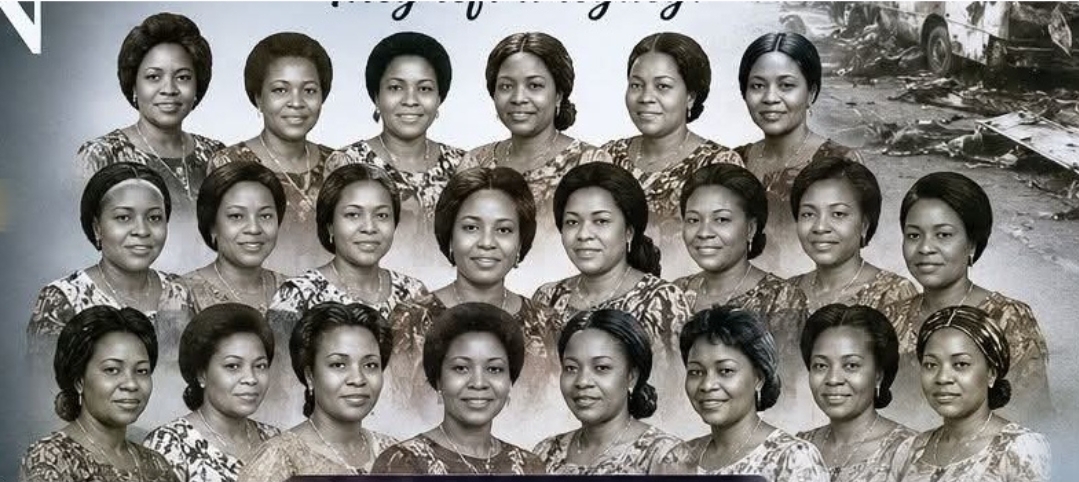
UGEP, CROSS RIVER STATE — In 1989, Ugep experienced a tragedy that would forever connect a moment of celebration with one of the most heartbreaking chapters in its history. Some moments in a community's history are remembered for the progress they represent, while others remembered for the extraordinary pain that accompanied them.
More than twenty Ugep women reportedly lost their lives in a ghastly motor accident while travelling together from Lagos to Ugep to celebrate the commissioning of a mortuary they have built in their hometown.
Decades later, their story remains a solemn reminder of the fragility of life, the cost of tragedy and the enduring significance of the developments that shape a community.
According to an account by Chief Okoi Obono-Obla, the tragedy occurred in 1989, the year he graduated from the University of Jos and was preparing in Ugep to attend the Nigerian Law School at Victoria Island, Lagos.
The women had boarded the same vehicle and were travelling home to participate in the commissioning and celebration of the opening of a mortuary in Ugep.
The opening of the facility marked an important milestone for the community, addressing a need that had previously presented challenges for families seeking to preserve the remains of their loved ones with dignity. For the women making the journey from Lagos, the occasion offered an opportunity to return home and share in a significant moment in the life of their community.
Their journey ended in devastating circumstances, as more than twenty of the women reportedly lost their lives in the accident. A moment that should have been defined by celebration became a tragedy that brought grief to their families and left a lasting wound in the collective memory of Ugep and the wider Yakurr community.
The painful irony is difficult to overlook: they were travelling home to celebrate the opening of a facility intended to serve their people, yet the journey itself became one of the most tragic episodes associated with that milestone.
The significance of this story extends beyond the tragedy itself. The Mortuary That Became Part of Their Legacy
The mortuary in Ugep became a facility serving not only the immediate community but also people from parts of Yakurr. Its importance lies in the essential service it provides: enabling families to preserve the remains of their deceased loved ones while making the necessary funeral arrangements.
For the community, the facility represents more than a physical structure. It speaks to the need for essential services, the dignity owed to the dead and the comfort that families can find in having a place to keep their loved ones until they are ready to lay them to rest.
The women of 1989 are remembered in connection with this milestone because their journey to celebrate the mortuary's opening ended in such devastating loss. In the telling of their story, their deaths have come to be described as a sacrifice whose legacy lives on through the facility and the people it serves.
Their deaths were not a sacrifice they chose. They were victims of a tragedy. Yet the lasting association between their loss and the mortuary's significance gives this chapter of Ugep's history a deeply poignant dimension.
The facility continues to form part of a broader story about community needs and development—one that reaches beyond Ugep to benefit people in neighbouring parts of Yakurr.
It is easy for history to preserve the number of people who died while overlooking the individual lives behind that number.
These women were more than passengers in a vehicle. They were daughters, mothers, wives, sisters, friends and members of a community. Each had personal experiences, relationships, responsibilities and hopes for the future.
Their families were left to bear the pain of their absence. Their friends lost companions. Their community lost women whose lives formed part of its social fabric.
Although the passage of time may soften some memories, it does not diminish the value of the lives lost. Their story deserves to be told with dignity, sensitivity and a commitment to preserving the historical record.
As Discover Ugep continues to document the people, places, traditions and defining events of Ugep, stories such as this must remain part of the community's digital memory.
Further contributions from relatives, eyewitnesses and other community members could help preserve the names of the women, their personal histories and additional details about the accident for future generations.
Today, the mortuary stands within a larger story of community service. Its role in serving Ugep and parts of Yakurr gives the facility significance beyond the occasion of its opening.
The tragedy of 1989 reminds us that community history is not made up only of celebrations, achievements and milestones. It is also shaped by the lives lost along the way, the grief families endure and the memories that communities carry forward.
The women were travelling home to celebrate progress. Their lives were tragically cut short, but the story associated with their journey continues to draw attention to a facility that serves an enduring human need.
Their memory calls on present generations to value the lives of those who came before them, appreciate the importance of essential community facilities and preserve the stories that might otherwise disappear with time.
The Ugep women of 1989 deserve to be remembered not merely for the tragedy that claimed their lives, but for who they were and the place they occupy in the history of their people.
Their journey began with the promise of a celebration. It ended in grief. Yet their story remains connected to a milestone whose significance continues to extend beyond Ugep itself.
May their souls continue to rest in peace. May their families find comfort in the remembrance of their loved ones. And may future generations of Ugep and Yakurr know the story of these women—not only as a tale of heartbreaking loss, but as an important chapter in the history of their community.
Discover Ugep — Preserving our past. Inspiring our future.
Historical account attributed to: Chief Okoi Obono-Obla
Archive: Discover Ugep Digital Archive
Editorial note: This article draws on the historical account attributed to Chief Okoi Obono-Obla and additional context provided for its preparation. The names of the women, the precise circumstances of the accident and further details of the mortuary's history remain valuable subjects for continued community research and documentation.