Introduction.
The story of Joseph Ubi Omini — from natural strength and determination to national wrestling glory, international competition, and a lasting call to support young talents.
Joseph Ubi Omini, popularly known as Black Iroko, is one such individual. A native of Ugep, Yakurr Local Government Area of Cross River State, Black Iroko built his name through strength, courage, discipline, and a passion for wrestling.
His journey took him from his early days as a naturally gifted young man to the national wrestling scene, where he competed against formidable opponents, won a national light-heavyweight championship, and represented Lagos State.
His wrestling career also took him beyond Nigeria, with competitions in Togo, Cameroon, Burkina Faso, and Ghana.
Yet, behind the achievements was a journey marked by inadequate sponsorship, missed opportunities, and the challenge of pursuing sporting excellence without the institutional support that talented athletes need.
In this interview with Discover Ugep, Black Iroko recounts the experiences that shaped his career, the people who influenced his rise, the glory he brought home, and the message he has for young people and those in positions to support them.
This is the story of a wrestler, a champion, a coach, and a son of Ugep who wants his journey to be remembered.
1.The Early Days
According to Black Iroko, his wrestling story began with a natural gift for physical strength. Even before his formal entry into competitive wrestling, he was known for his strength and what he described as his Superman display. His abilities suggested a natural attraction to physical contests and the world of wrestling.
However, talent alone does not automatically create a champion. At some point, it takes direction, mentorship, and an opportunity to demonstrate what one can do.
One of the early turning points in his journey came when a mentor encouraged him to choose a name for himself. He first suggested Eteng Super, but the suggestion was rejected. He then proposed Obol Ekpe, which was also turned down. Finally, he suggested Black Iroko. This time, his mentor approved.
The name stuck, eventually becoming the identity by which he would be known in the wrestling world. An iroko is a tree associated with strength and endurance. Whether considered as a sporting identity or a symbol of the character he would develop, the name became inseparable from Joseph Ubi Omini's story.
For Discover Ugep, this detail offers a glimpse into the personal history behind a name that may be familiar to some people but whose origins deserve to be preserved for future generations.
2. From General Duties to the Wrestling Arena
Black Iroko's transition into organised wrestling took place in the early 1970s. He recalled joining the National Sports Commission in 1972, initially working in general duties. At the time, he told the coach he had experience as a wrestler during his stay in Equatorial Guinea, which was something he said out of desperation just to be given an opportunity in the ring.
He believed if given a chance, he was going to establish himself as a professional wrestler within the Nigerian sporting system.
After spending some time there, he informed a coach that he had previously wrestled in Equatorial Guinea. The coach asked whether he was certain he could wrestle. Black Iroko answered yes. According to his account, the coach subsequently called him out, addressing him as a strong man and inviting him into the ring. What followed became a defining moment.
He wrestled and defeated three opponents, demonstrating the ability he had spoken about. That performance reportedly earned him the keys to the arena and responsibility for the National Gym.
The man he identifies as instrumental in this development was Ewutre Ileya, whom he described as being from Isoko. That opportunity marked the beginning of his official wrestling career, around 1973.
It was a turning point in which an ability he had possessed naturally, and had already demonstrated outside Nigeria, began to find a place within an organised sporting environment.
His experience also highlights the importance of giving people opportunities to demonstrate their abilities rather than judging their potential solely by their backgrounds.
3. Representing Lagos State and Facing the Competition
Following his entry into official wrestling, Black Iroko continued training and developing his skills. His progress eventually led to his representation of Lagos State in wrestling competitions.
The competitive environment was demanding, and the sport brought him into contact with formidable opponents. Among those he remembers most prominently was Tarzan Essien, a wrestler from what is now Akwa Ibom State.
Black Iroko recalled that, before their proposed contest, he was the second contender, while Sunny Spaco, also associated with Akwa Ibom and based in Lagos, held the position of first contender.
During a press conference attended by the chairman of the wrestling board, the wrestlers were given an opportunity to speak and pose questions. Black Iroko used the occasion to challenge Tarzan Essien, who was then the champion. However, he was asked to fight Sunny Spaco instead. Unwilling to abandon his challenge, he stood by his position.
A coin toss was eventually used to determine the opponent. As Black Iroko recalled it, one side of the coin would mean he faced Tarzan Essien, while the other would mean he wrestled Sunny Spaco.
The outcome favoured the Tarzan Essien contest. The two men eventually wrestled, and the match ended in a draw.
The encounter remains a notable episode in Black Iroko's recollection of his competitive years. It reflects the confidence required to challenge an established champion and the determination to seek opportunities against the best in one's field.
4. The Rise to National Light-Heavyweight Champion
Black Iroko's pursuit of wrestling glory did not end with the contest against Tarzan Essien. He went on to face another opponent known as Machine Gun, from Anambra State, in the light-heavyweight category. According to his account, he defeated Machine Gun and became the champion.
When asked what he was most proud of in his wrestling career, Black Iroko pointed to the national championship belts he won as a light-heavyweight champion.
These achievements represented more than victories inside the ring. They were evidence of the years of training, physical preparation, persistence, and competitive courage required to reach the highest level of his sporting career.
For an athlete who began with natural strength and an early love for wrestling, the national title marked the transformation of potential into recognised achievement.
His story is also a reminder that the achievements of local athletes deserve documentation. Without interviews, photographs, records, and archival preservation, many sporting accomplishments risk being reduced to fading memories passed from one generation to another.
The Discover Ugep Digital Archive seeks to help prevent that loss by preserving the stories of people whose contributions form part of the community's history.
5. Taking His Talent Beyond Nigeria
Black Iroko's wrestling journey extended beyond the national scene. He recalled winning a national belt in 1984 and competing internationally in 1985. His recollections identify Togo, Cameroon, Burkina Faso, and Ghana among the countries where he wrestled.
These international experiences placed him in sporting environments beyond his immediate community and national audience.
For Ugep, such a journey represents an important aspect of its sporting heritage: a son of the community had taken his talent beyond local boundaries and participated in competitions across national borders.
International participation is an achievement worth recording, especially when viewed against the circumstances in which many athletes of earlier generations pursued their careers.
However, Black Iroko's story also reveals that talent and achievement do not always guarantee access to every opportunity.
Some of the most difficult moments of his career came not from the wrestling ring but from the limitations surrounding it.
6. The Cost of Pursuing a Dream Without Sponsorship
When asked about the difficulties he encountered during his wrestling career, Black Iroko identified a major challenge: lack of sponsorship.
The problem affected his ability to pursue opportunities that could have taken his career even further. One experience stood out in particular.
He recalled being nominated to travel to West Germany for a wrestling engagement. However, the opportunity came with a condition: an influential person had to stand as a guarantor or provide the required assurance for his travel.
He subsequently approached the late Dr Okoi Arikpo, hoping that the prominent figure could assist him. According to Black Iroko, Dr Arikpo declined because he believed Black Iroko did not possess the required educational qualifications.
Black Iroko had ended his formal education at Grade Six. The opportunity therefore did not materialise.
This episode reveals a painful reality about sporting development. An athlete may possess talent, discipline, and an impressive record but still encounter barriers that have little to do with performance in the sporting arena.
His experience also illustrates how education, institutional requirements, sponsorship, and access to influential networks can shape an athlete's opportunities.
It is important not to reduce the lesson to a rejection of education or its importance. Rather, the story raises a broader question: how can sporting institutions create fair pathways for talented athletes while also helping them meet the educational and administrative requirements necessary for international participation?
For Black Iroko, inadequate sponsorship remained one of the most significant obstacles of his journey.
His story offers a lesson for sports administrators, private organisations, community leaders, and individuals who have the means to support promising athletes.
Talent requires more than applause. It needs practical support, access to opportunities, and systems that help athletes develop their potential.
7. A Champion Whose Success Reached Home
Black Iroko believes his wrestling career had an influence beyond his personal achievements.
He spoke about the glory his name brought to his family and Ugep, highlighting the pride associated with representing one's people and returning with accomplishments earned elsewhere.
For athletes from smaller communities, success on a national or international stage can help expand how others perceive their hometowns.
A name that becomes recognised in sporting circles can introduce a community to audiences who might otherwise know little about it.
In this sense, Black Iroko's career forms part of Ugep's wider social history. His achievements are not only a record of personal ambition but also an example of how individuals can carry their community's name into new spaces.
His story deserves to be shared with young people who may be pursuing sports, creative work, education, entrepreneurship, or other fields in which talent can open doors beyond their immediate environment.
It also gives the community an opportunity to reflect on how it recognises and supports people who represent it.
8. Beyond the Ring: Coaching and Community Service
Black Iroko's relationship with wrestling continued beyond his years as an active competitor.
He recalled retiring as a coach and identified his contribution as director of the Ugep wrestling committee as another important part of his legacy.
These roles represent a transition from personal achievement to service. As a competitor, he worked to develop his own abilities and establish his name. Through coaching and community wrestling administration, his involvement extended to the organisation and continuation of the sport.
His story therefore should not be remembered solely through championship victories. His contribution to wrestling in Ugep also forms part of the record.
The experiences of veteran athletes can be valuable to younger generations, particularly when their knowledge is documented and made accessible. Their memories can help future researchers understand the people, institutions, opportunities, and challenges that shaped sporting life in earlier decades.
For this reason, recording Black Iroko's account is not simply about celebrating a former champion. It is also about preserving a piece of Ugep's sporting heritage.
9. The Values Wrestling Taught Him
When asked what people could learn from his life as a wrestler, Black Iroko emphasised discipline.
Discipline is central to competitive sport. It involves training consistently, preparing for challenges, respecting the demands of one's craft, and remaining committed even when results are uncertain.
His journey reflects these demands: the progression from natural strength to formal competition, the development of his wrestling skills, the pursuit of national honours, and participation in international contests.
His career also offers lessons in courage and determination. Challenging an established champion required confidence, while pursuing opportunities despite inadequate sponsorship required persistence.
Black Iroko also mentioned the pension he receives at state and federal levels as something people could consider and draw inspiration from.
His reference to his pension provides an opportunity to discuss the importance of recognising athletes' service and considering their welfare beyond their active careers. Sporting institutions and governments have a role to play in ensuring that those who represent them are not forgotten when their competitive years come to an end.
For young athletes, his story suggests that a sporting career should be approached with commitment, but also with an awareness of long-term welfare, preparation, and the support structures needed to sustain it.
10. A Message to Ugep: Support the Young Talents
Perhaps the most urgent part of Black Iroko's message concerns the future.
Despite the pride he takes in his achievements, he expressed sadness over what he sees as insufficient support for young talents in Ugep.
He called on influential people to identify gifted young people and help push them towards greater opportunities.
His appeal is particularly significant coming from someone who experienced both the rewards of sporting achievement and the limitations imposed by inadequate support.
He knows what it means to have talent and ambition, to compete against established opponents, and to carry a community's name beyond its borders. He also remembers the opportunities that became difficult to access because the necessary support was absent.
His message is therefore more than a general call for encouragement. It is an appeal for practical action.
Young people with sporting abilities need access to training, equipment, coaching, competitions, sponsorship, mentorship, and opportunities to demonstrate their potential.
Communities can contribute by identifying talents early, documenting their progress, creating opportunities for local competitions, and connecting athletes to organisations and individuals capable of helping them grow.
Those in positions of influence can help turn potential into achievement by providing the resources and guidance young athletes need.
Black Iroko's plea invites Ugep to consider whether it is doing enough for the next generation of champions.
11. How Does He Want to Be Remembered?
When asked how he would like people to remember him, Black Iroko pointed to his wrestling journey, his legacy as a national wrestler, and his contribution as director of the Ugep wrestling committee.
These are the milestones through which he hopes his name will endure. Yet, the significance of a legacy often extends beyond the achievements a person identifies. It also lies in what others can learn from that person's experiences.
His story offers young people an example of commitment to a chosen craft. It reminds community leaders of the importance of supporting local talent. It challenges sports administrators to consider the barriers athletes face outside competition. And it encourages historians to preserve the accounts of people whose experiences might otherwise go undocumented.
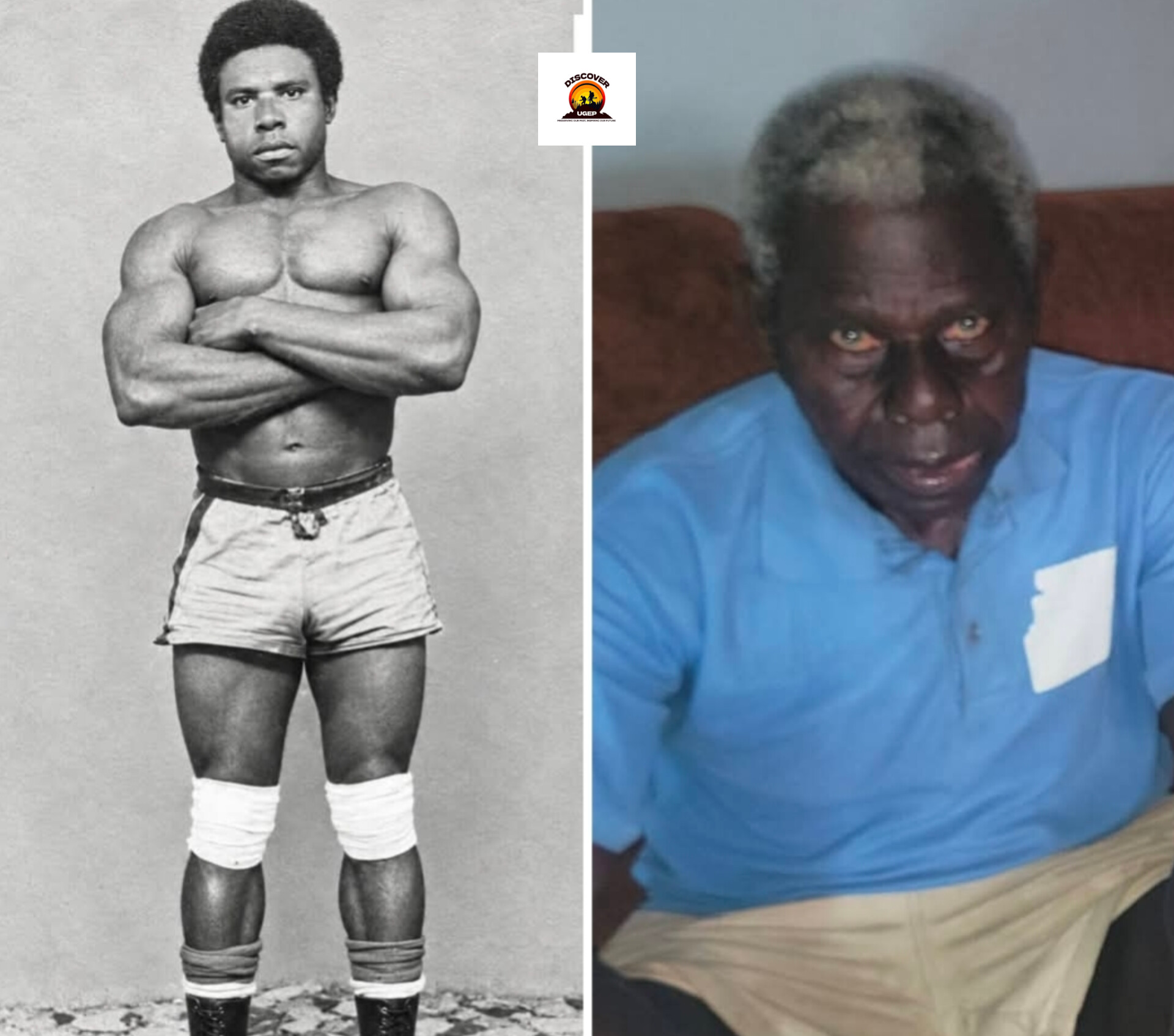
The photographs from his younger wrestling days, his recollections of the ring, the national championship he described, and his later work in coaching and community wrestling administration all contribute to a fuller picture of his life.
Preserved together, these materials can help future generations understand not only who Black Iroko was, but also the sporting environment in which he made his name.
12. A Final Word to Aspiring Wrestlers
Black Iroko ended his message with an encouragement to anyone who has a passion for sports and wrestling: pursue the dream.
His own journey began with natural strength and a willingness to demonstrate what he could do. It developed through training, competition, national recognition, and international participation.
His experiences also show that the road to achievement may not always be straightforward.
A dream can require patience, discipline, courage, and the willingness to continue despite setbacks. It can also require the support of people and institutions willing to recognise potential and provide meaningful opportunities.
For aspiring athletes in Ugep and beyond, his message is clear: take your talent seriously, work at developing it, and do not abandon your ambition simply because the path is difficult.
For the wider community, the corresponding responsibility is equally clear: when young people demonstrate genuine ability and commitment, help create the conditions in which they can succeed.
Conclusion: Preserving the Story of Black Iroko
Joseph Ubi Omini, known as Black Iroko, occupies a meaningful place in the sporting story he recounts: a naturally strong young man who entered organised wrestling in the early 1970s, rose to national light-heavyweight championship honours, competed in other African countries, and continued serving the sport as a coach and community wrestling administrator.
His journey carries both pride and reflection.
There is the pride of a Ugep son who represented Lagos State, earned national recognition, and took his talent beyond Nigeria. There is also the reflection prompted by the sponsorship difficulties he experienced and his concern that promising young people in Ugep are not receiving enough support.
By documenting his account, Discover Ugep seeks to preserve an important part of the community's living heritage.
History is not made only by presidents, politicians, or prominent public institutions. It is also made by the athletes, artisans, farmers, teachers, entrepreneurs, cultural practitioners, and ordinary people whose experiences shape the lives of their communities.
Black Iroko's story belongs in that record.
His achievements deserve recognition. His experiences deserve preservation. And his appeal for the next generation deserves serious consideration.
The challenge he leaves behind is simple: let Ugep celebrate its talents, preserve their stories, and do more to help the next generation fulfil its potential.
---
Documentary prepared by Discover Ugep for its Digital Archive, based on an interview with Joseph Ubi Omini, popularly known as Black Iroko. Dates, names, competition details, and historical claims are presented from his recollections and should be cross-checked against available records and additional eyewitness accounts where possible.
Discover Ugep
Preserving our past. Inspiring our future.